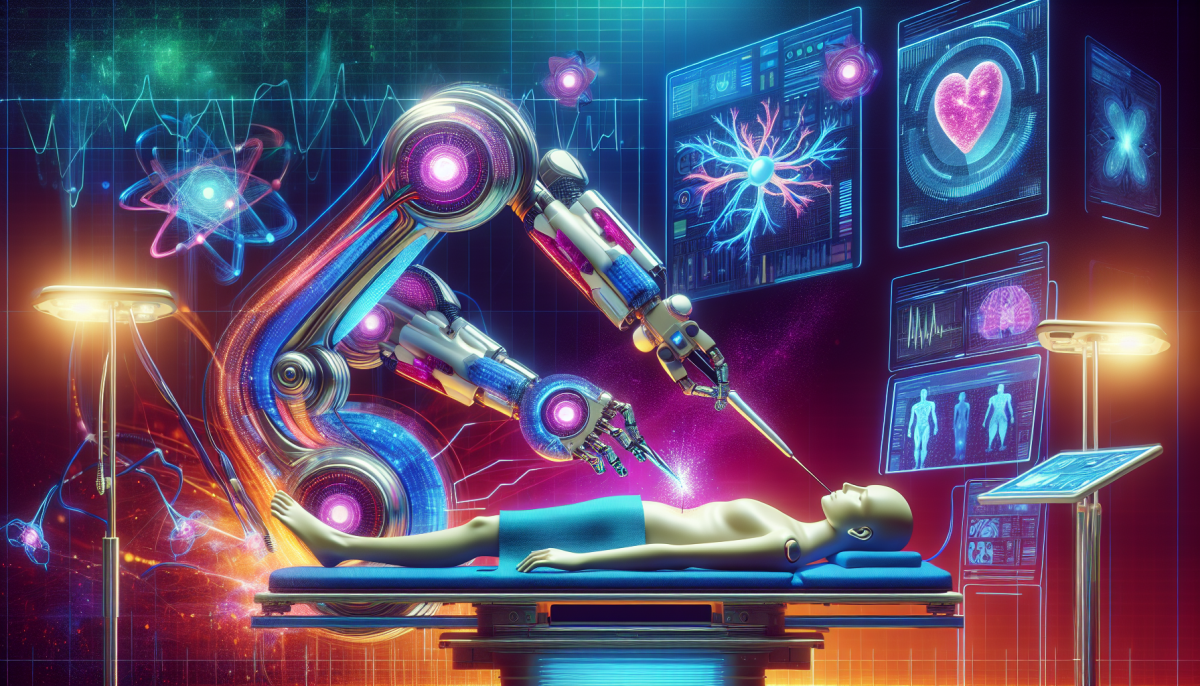
AI tools are changing the game when it comes to diagnosing health issues. They can analyze medical data faster and often more accurately than human doctors. Imagine a program that sifts through countless test results in the blink of an eye, spotting patterns that might take a human years to learn. That’s what AI is doing in hospitals today.
Take a look at radiology. AI can review X-rays and MRIs, highlighting abnormalities with pinpoint accuracy. This means quicker diagnoses for patients. Plus, it helps radiologists focus on what really matters—providing care rather than getting bogged down in routine analysis.
Then there’s predictive analytics. AI can sift through vast amounts of patient data to predict outcomes. That helps doctors identify high-risk patients before issues arise. It’s like having a crystal ball for health, allowing for early intervention, which can save lives.
These AI tools also make life easier for doctors. They offer support that lets healthcare professionals make decisions based on the latest research and data. This means better decisions, smoother workflow, and ultimately healthier patients.
Streamlining Patient Care with Intelligent Systems
In today's fast-paced world, health care needs to keep up, and that's where intelligent systems shine. These smart AI solutions help streamline patient care, making processes faster and more efficient. Imagine a system that can sort through tons of patient data in seconds, highlighting crucial information for doctors. This kind of tech means quicker diagnoses and personalized treatment plans that cater to individual needs.
AI isn’t just about speed; it’s also about accuracy. Intelligent systems can analyze patterns in medical histories, suggesting potential issues that a human might miss. With this extra layer of insight, healthcare providers can catch problems early and offer better preventative care. It’s like having a super-smart buddy on your healthcare team who knows what to look for.
When it comes to administrative tasks, AI can take a load off hospital staff. Chatbots handle appointment scheduling and answer common patient questions, freeing up nurses and doctors to focus on what they do best—caring for patients. This reduces wait times and leads to happier patients who feel valued and heard.
Plus, with AI monitoring vital signs in real-time, healthcare providers get alerts about any changes that require immediate attention. This not only enhances patient safety but also optimizes resource allocation. Facilities can use their staff and equipment more effectively, enabling them to treat more patients without sacrificing quality.
Enhancing Data Management Using Smart Tech
In the ever-evolving world of healthcare, smart technology is changing how we manage data. Say goodbye to outdated systems! With AI-driven solutions, healthcare professionals can streamline their workflows and access information in real time.
One of the biggest benefits of smart tech in data management is its ability to organize and analyze massive amounts of data quickly. Imagine doctors being able to pull up patient records, treatment histories, and lab results at the click of a button. No more digging through piles of paperwork or waiting for a response from the IT department. Everything is right at their fingertips.
AI also helps identify patterns and trends in patient data. This means doctors can make informed decisions faster and provide personalized care tailored to each patient’s needs. They can spot potential health issues before they become serious, all thanks to smart algorithms that can predict outcomes based on historical data.
Plus, with cloud-based storage, access to patient information is safer and more efficient. Healthcare providers can collaborate seamlessly, sharing important data without the risk of losing it or compromising patient privacy. It's all about creating a network where everyone can work together for better patient outcomes.
Boosting Efficiency in Healthcare Operations
When it comes to healthcare, efficiency can make all the difference. AI solutions step in here like your favorite tool in a toolbox, making everyday tasks smoother and faster. Think about appointment scheduling—those long wait times can drive anyone crazy. AI can analyze patient data and optimize those schedules in no time, cutting down on wait times and making everyone’s day a bit brighter.
Then there's patient care. Imagine a doctor without stacks of paperwork cluttering their desk. AI systems help by managing records and retrieving patient information instantly. This means healthcare professionals spend much less time on admin tasks and more time focusing on what truly matters: patient health. Plus, with predictive analytics, hospitals can anticipate patient needs like scheduling follow-up visits or managing resources during peak times.
Efficiency isn’t just about speed; it’s also about improving decision-making. AI can sift through massive amounts of data to provide insights that help doctors make informed decisions quicker. This means quicker diagnoses and tailored treatment plans, which ultimately leads to better outcomes for patients.
Let’s not forget about cost savings. By streamlining operations, healthcare facilities can reduce unnecessary costs and allocate resources more wisely. AI not only helps in managing those dollars but also frees up staff to do what they love—caring for patients. With smarter systems in place, the whole healthcare experience gets a lot smoother for everyone involved.